Business
The economy is just getting stronger, not weaker, and ‘we in the economics profession need to look ourselves in the mirror,’ top analyst says

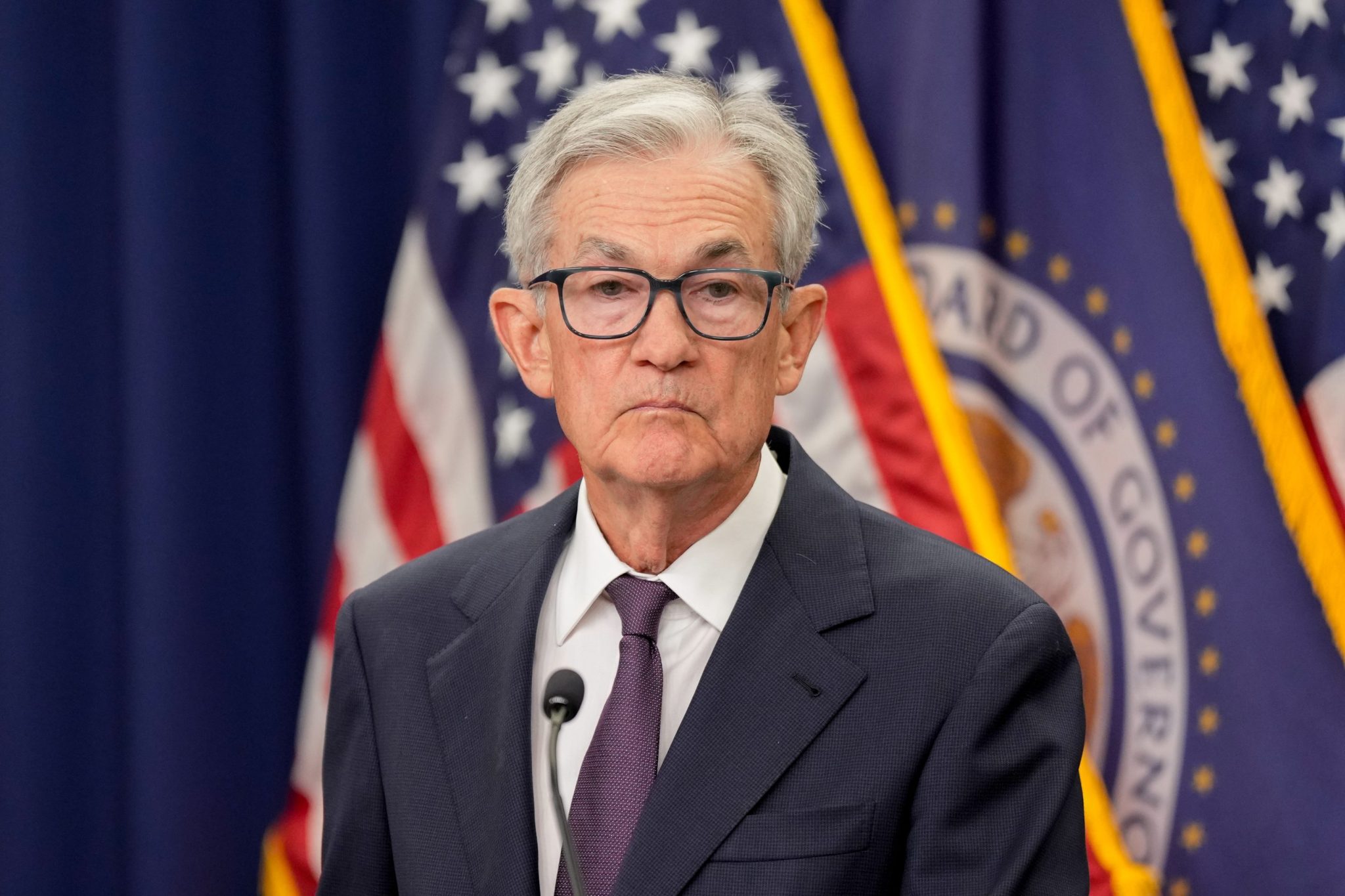
One of Wall Street’s most closely watched voices delivered a blunt message to peers and policymakers: The U.S. economy is not faltering—it is accelerating. Torsten Sløk, chief economist at Apollo Global Management, said forecasts of an imminent slowdown have been repeatedly wrong, and the economics profession should start grappling with its track record of misjudgments.
“The consensus has been wrong since January,” Sløk said in a note circulated to clients Wednesday morning, noting the average of economists’ forecast has said the U.S. economy would slow down for nine months running. “But the reality is that it has simply not happened … We in the economics profession need to look ourselves in the mirror.”
Growth defies expectations
Second-quarter GDP expanded at a 3.8% annualized rate, a strikingly strong pace given the Federal Reserve’s ongoing effort to tamp down inflation. The Atlanta Fed’s GDPNow model suggests growth may be even stronger in the third quarter, forecasting 3.9% gains. Many economists had expected the lagging impact of high interest rates, tighter credit conditions, and April’s “Liberation Day” market shock to drag growth meaningfully lower by now.
Instead, the data tells a different story. Consumer spending has continued to prove resilient, and business investment, far from retreating, has strengthened in sectors tied to artificial intelligence, energy infrastructure, and manufacturing reshoring. Housing, often sensitive to interest rates, has shown surprising stability in key regional markets. Sløk did not dive into these particulars in Wednesday’s edition of his Daily Spark, except to address slowing job growth. “This is the result of slowing immigration,” he wrote, not economic weakness.
“The bottom line is that the U.S. economy remains remarkably resilient,” Sløk emphasized. “It is becoming increasingly difficult to argue that we are still waiting for the delayed negative effects of what happened six months ago,” referring to President Trump’s Liberation Day and the imposition of sweeping reciprocal tariffs. One top analyst has been arguing for years that most of Wall Street was wrong, and that Liberation Day represented the end of the beginning, rather than the beginning of the end.
Rolling recovery underway?
Morgan Stanley’s Chief U.S. Equity Strategist Mike Wilson has coined a phrase to describe what’s been happening in the economy for roughly three years: a “rolling recession.” The economy has been quietly weathering recession-like conditions since sometime in 2022, Wilson has argued throughout, with a recession not being picked up by conventional measurements but rather rolling through different segments of the economy, one at a time. Wilson contends headline figures such as GDP and unemployment missed serious underlying struggles, including an 80% collapse in hiring over the summer and persistently negative median-earnings growth.
Although neither he nor Sløk have noted how their readings of the economy intersect, Wilson believes the economy bottomed out last spring—coinciding with the White House’s “Liberation Day” crackdown on tariffs. Federal employment was the one area not affected by the rolling recession, he noted, until Elon Musk’s DOGE initiative remedied that rather dramatically.
In early September, Wilson argued the weak jobs report for August that had just been issued provided “further evidence of our thesis that we are now transitioning from a rolling recession to a rolling recovery.”
“In short, we’re entering an early cycle environment and the Fed cutting rates will be key to the next leg of the new bull market that began in April,” Wilson wrote.
The jobs report for September is not out yet at this time of publication, but on Wednesday, the private payrolls report from ADP showed a loss of jobs for September and a revision into the negative territory for August. Bill Adams, chief economist for Comerica Bank, noted in a statement to Fortune that this result was worse than expected, with ADP now reporting declines in three of the last four months. Commentating on Wednesday’s other news that the government has shut down again, for the third time under President Trump, Adams noted “the ADP report usually plays second fiddle to the government’s jobs report, but is more important while the shutdown is delaying government data.” The rolling recovery, in other words, is showing up in a buoyant stock market, but not in the labor market. Federal Reserve chair Jerome Powell noted in September that it’s a “low-hire, low-fire” environment.

What it means for investors
For markets, Sløk’s diagnosis carries important implications. If the economy is not weakening, but strengthening, the outlook for inflation could tilt higher. Core inflation has eased from its 2022 highs, yet Sløk warns strong growth combined with an easier monetary policy stance could rekindle price pressures.
“The upside risks to inflation are growing, particularly if the Fed continues to cut rates,” Sløk wrote Wednesday.
In September, the central bank followed through on its first rate reduction in years, signaling confidence that inflation was heading back toward target. Markets have since priced in additional cuts in the coming quarters. In fact, on September 30, Sløk had argued “the economy is strong and inflation is high,” citing 12 different data points (including tourism levels and a high number of visits to the Statue of Liberty). Then he issued a potentially bold call in light of the next day’s ADP data, arguing the consensus from the next jobs report of 50,000 payrolls was “too pessimistic.”
Sløk’s sharpest remarks, however, were directed not at policymakers or markets, but at the forecasting community itself. By repeatedly predicting weakness that never arrived, he argued, economists have undermined their credibility.