Business
Trump’s former trade architect says the president can’t backtrack on tariffs because he’s ‘too committed’ now: ‘That would be a pretty horrific decision’

As the Supreme Court prepares to hear one of the most consequential economic cases in decades—the legality of President Donald Trump’s sweeping new tariffs—one of the original architects of his trade agenda says the president has gone too far to turn back.
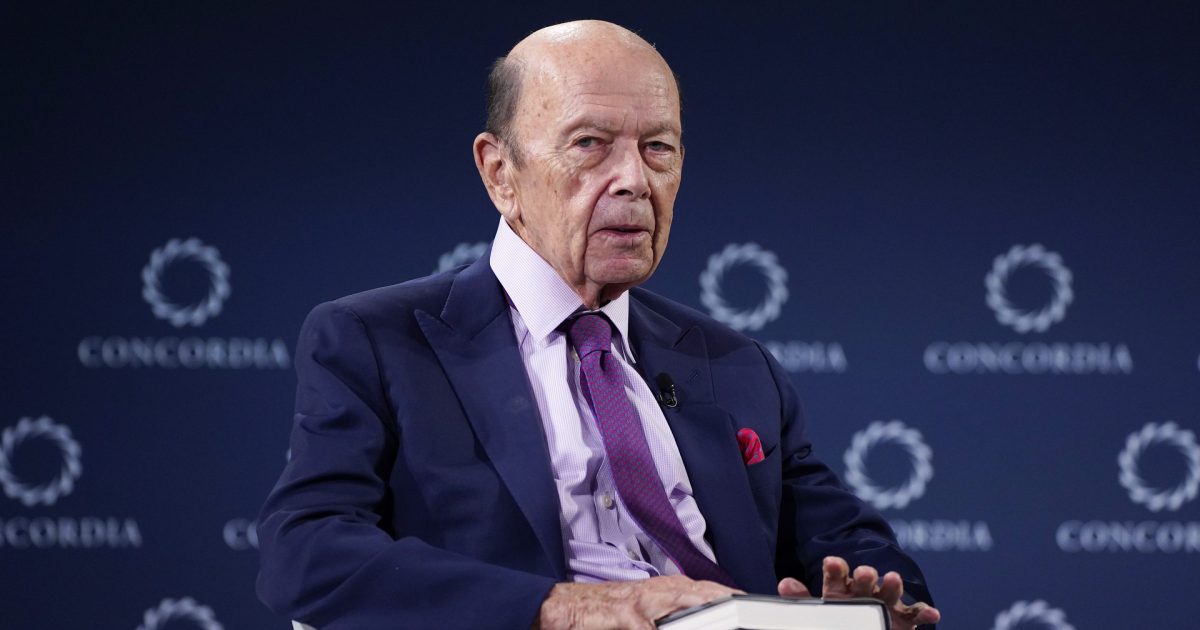
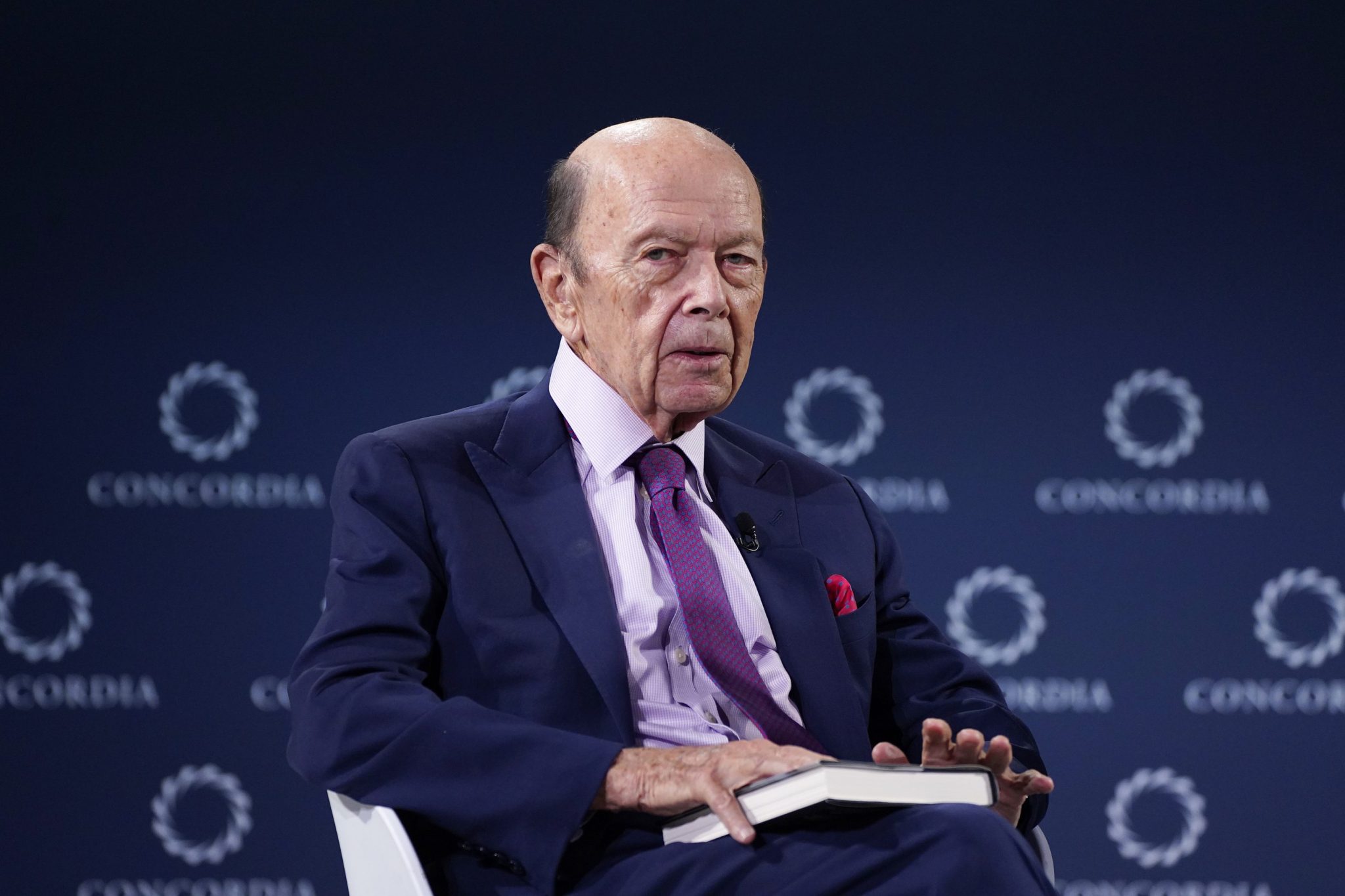
Wilbur Ross, who, as the president’s commerce secretary from 2017 to 2021, helped design the first wave of Trump’s steel and aluminum tariffs during his first term, told Fortune a total defeat from the Supreme Court is unlikely. But even if it comes, Trump won’t walk away.
“He’s too committed to the tariff to give it up,” Ross said. “If they lose, I don’t think he’s just going to say, ‘Well, okay, it didn’t work under this law, I’ll give it up.’ He’s too invested.”
A weaker case—and a bigger gamble
The Supreme Court will hear arguments Wednesday about whether Trump exceeded his authority by using emergency powers to levy tariffs on more than 100 countries and nearly every U.S. trading partner. Technically, according to Article 1, Section 8 of the Constitution, Congress, not the president, has the right to lay and collect “taxes, duties, imposts, and excises.” Tariffs, as a duty, fall under the category of requiring Congressional approval. However, to surpass that, the Trump administration has invoked the International Emergency Economic Powers Act (IEEPA) of 1977, which allows the president during “national emergencies” to take regulatory action, to impose tariffs, though the act does not mention duties.
It isn’t the first time Trump has found a legal workaround to act unilaterally on trade: In 2018, Ross helped Trump craft an exemption under Section 232 of the Trade Expansion Act to launch the first round of tariffs on China and other countries. Then, Ross said his team held public hearings, consulted with industries and trading partners, and built a lengthy administrative record anticipating court challenges.
“We were upheld throughout,” he recalled. “That gave a better definition to what the government could do.”
This time, however, Ross noted the administration “didn’t do much” of the same administrative process, meaning Trump’s team is entering the Court on weaker ground than before.
“They were in a hurry to get things going,” he said. “That’s taking a bit more risk.”
The stakes are huge. Trump has used the emergency statute to impose tariffs on goods on every hemisphere, upending markets for months and generating approximately $195 billion in revenue for the government according to the Committee for a Responsible Federal Budget (CRFB). The lawsuits before the Supreme Court—brought by importers and small manufacturers—claim the president’s sweeping use of emergency powers violates congressional authority to tax and regulate trade.
Trump’s lawyers argue the IEEPA’s broad language, allowing presidents to “regulate” commerce during “unusual and extraordinary threats,” gives him wide discretion to act. His critics counter, saying trade deficits an “emergency” stretches the statute’s meaning beyond recognition.

Ross sees the case as a toss-up, but predicts the Court won’t overturn the entire program. Striking all the tariffs, he warned, would create global turmoil.
“That would be a pretty horrific decision,” he said, adding it would force difficult questions about who exactly would be repaid: importers, consumers, or companies that passed costs down the supply chain.
He said he believes the justices are more likely to “cherry-pick” a few tariffs that seem politically motivated, while leaving the rest of the system intact. As an example of a tariff he thinks is likely to be struck down, he pointed to the 40% duty on Brazilian imports—on top of a 10% levy earlier in the year—that Trump imposed due to the prosecution of former President Jair Bolsonaro.
“However bad” the prosecution of Bolsonaro is, Ross said, “it’s hard to conceive that constitutes an emergency for the U.S.”
The former commerce secretary also said he believed tariffs on individual, menial goods like “brooms” or houseware items would be unlikely to meet the standard set by the IEEPA. However, he said other cases constituted a national emergency, such as Trump imposing tariffs on Mexico, China, and Canada to halt the flow of fentanyl in the U.S.
Markets fear uncertainty more than defeat
Even if the Court narrows Trump’s authority, Ross said the president is unlikely to abandon tariffs altogether.
“He’s too committed,” he said again.
Instead, Trump could seek a new legal basis for his actions or push Congress to codify the measures. He noted union support for protectionist policies has blurred traditional partisan lines, though, in the current political climate, Democrats may be more inclined to oppose Trump than to defend their traditional pro-labor position.
Ross, known in business circles as the “King of Bankruptcy” for restructuring struggling industries before joining the administration, sees the current fight as a familiar risk–reward play. The danger, he said, isn’t just losing the case, but also creating ambiguity for companies that depend on predictable trade rules.
“Markets can adjust to good news or bad news,” he said. “What markets have trouble with is uncertainty.”